Air freight is most cost-effective when delivery time matters more than cost
Market data update: October 2026
- Type
- Air freight
- Route
- Global - Far East, Americas, Africa, Middle East, Europe
- Cargo
- Standard cargo · urgent shipments · high-value goods
- Status
- Best when downtime cost exceeds freight cost
- How long does air freight from China to Poland take?
- When does air freight beat sea freight?
- What cargo can travel by air?
- What drives air freight pricing?
- What does customs clearance look like for air imports?
- Is air-road intermodal transport possible?
Air freight is usually chosen when delivery time matters more than transport cost - for urgent, high-value cargo or shipments requiring controlled transport conditions. Depending on the nature of the order it can work as a standalone service or as part of intermodal transport, e.g. air-road.
There is no single cargo value or delivery deadline at which air freight automatically becomes the best option - as with sea freight, the choice is decided by the whole shipment calculation.
Air freight carries less than 1% of world trade volume, but over 33% of its value
According to the International Air Transport Association (IATA), airlines carry more than 62 million tonnes of cargo a year, which corresponds to less than 1% of world merchandise trade volume but over 33% of its value. Air freight is therefore statistically reserved for high unit-value goods - electronics, pharmaceuticals, industrial components - not bulk transport.
Global demand for air freight, measured in cargo tonne-kilometres (CTK), grew by 3.4% in 2025 versus 2024 - a signal that despite its high unit cost, air transport remains a growing segment of global logistics.
Air freight time from China to Poland depends on the service level, not just the route
Independent industry sources indicate that air freight time from China to Poland is about 4-7 to 6-10 days for standard air cargo (excluding courier services), with 3-5 days usually corresponding to courier-type express shipments (DHL, FedEx, UPS) rather than consolidated air cargo.
To the transit time itself you need to add cargo consolidation, delivery to the departure airport, export clearance, possible connecting transhipments and import clearance plus delivery on the Polish side.
Air freight is usually the most expensive option, but the price difference depends on many variables
Air freight cost depends on, among other things:
- the type and value of the cargo,
- actual weight and volumetric weight (charged on the higher of the two),
- departure and destination airports and the availability of direct connections,
- current carrier rates,
- seasonality and cargo space availability,
- road transport before and after the air leg.
That is why comparing air freight with sea, road or rail means comparing the total cost of delivery, not just the per-kilogram freight rate.
Air freight serves three types of shipments - standard cargo, urgent shipments and high-value goods
The scope of air freight usually covers:
- standard cargo - shipments without special time requirements, but too urgent for sea freight,
- urgent shipments - cargo for which delivery time decides the cost-effectiveness of the whole order,
- high-value goods - products where the risk of downtime or damage outweighs the higher freight rate.
"In practice we do not ask the client how quickly they need the goods - we ask what one day of delay costs them. Only that answer shows whether air freight really pays off or is just a reflex."
Air freight works especially well in industries sensitive to time and transport conditions
Automotive, pharma, electronics and medical are the main industries using air freight - meaning transport of goods with high unit value and a short product life cycle.
Customs clearance is an integral part of air freight for non-EU imports and exports
Air freight from outside the European Union requires import and export documentation and customs procedures whose scope depends on the type of goods, country of origin and shipment value - just as with sea freight. Service details: Customs clearance.
Air-road intermodal combines the speed of the air leg with the flexibility of road distribution
Combining air with road transport makes sense when the cargo needs fast transit on the main international route and distribution to the final consignee takes place away from the main air hub - e.g. from a Western European airport to a consignee in Poland.
As with sea freight, collecting the cargo from the shipper (pre-carriage) and delivering to the consignee (on-carriage) can be part of a single order covering the entire chain from sender to receiver.
When comparing air, sea, rail and road transport, start with cargo parameters
| Transport | Key advantage | Typical use |
|---|---|---|
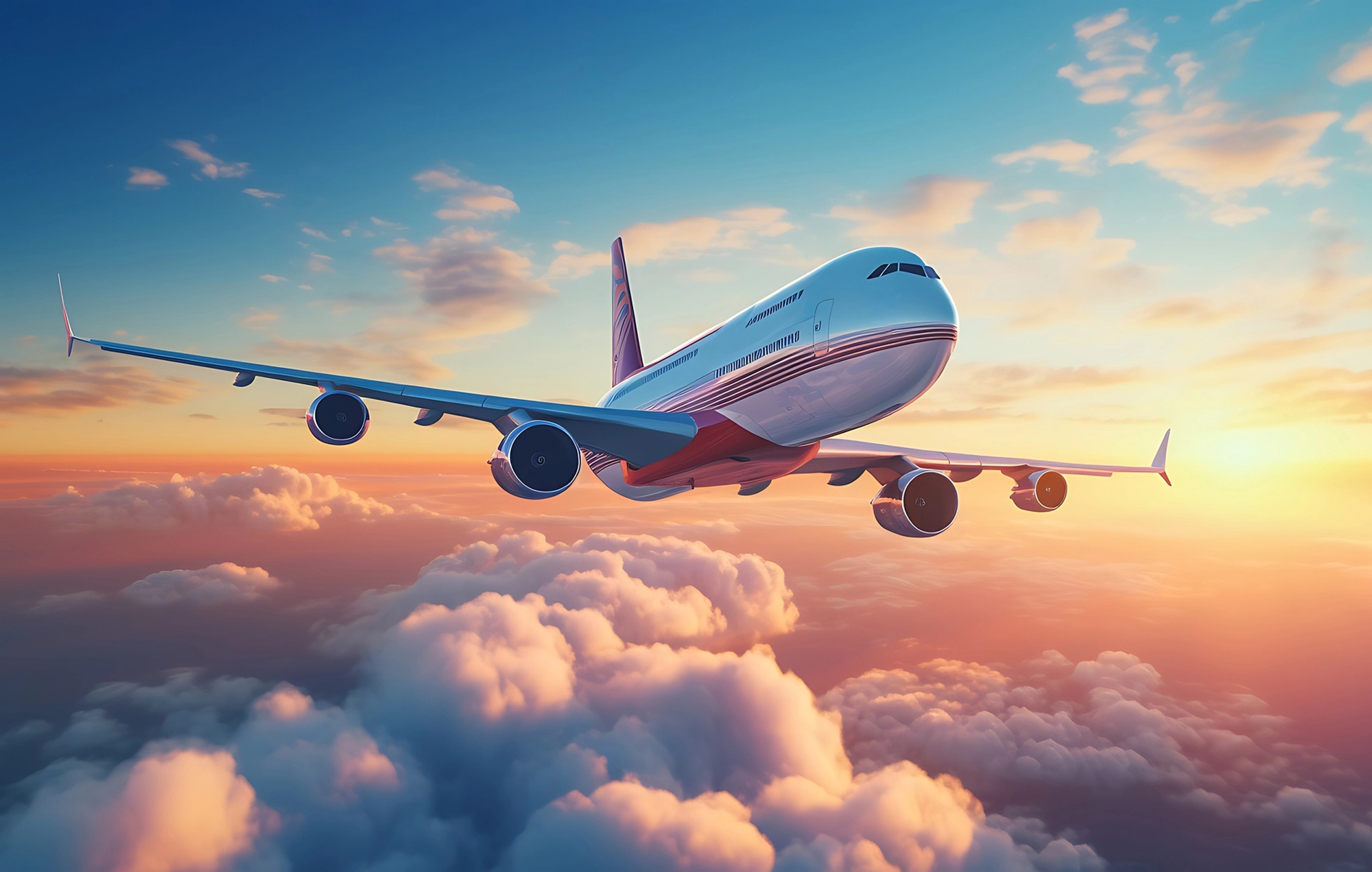
| Air | Speed | Urgent and high-value shipments |
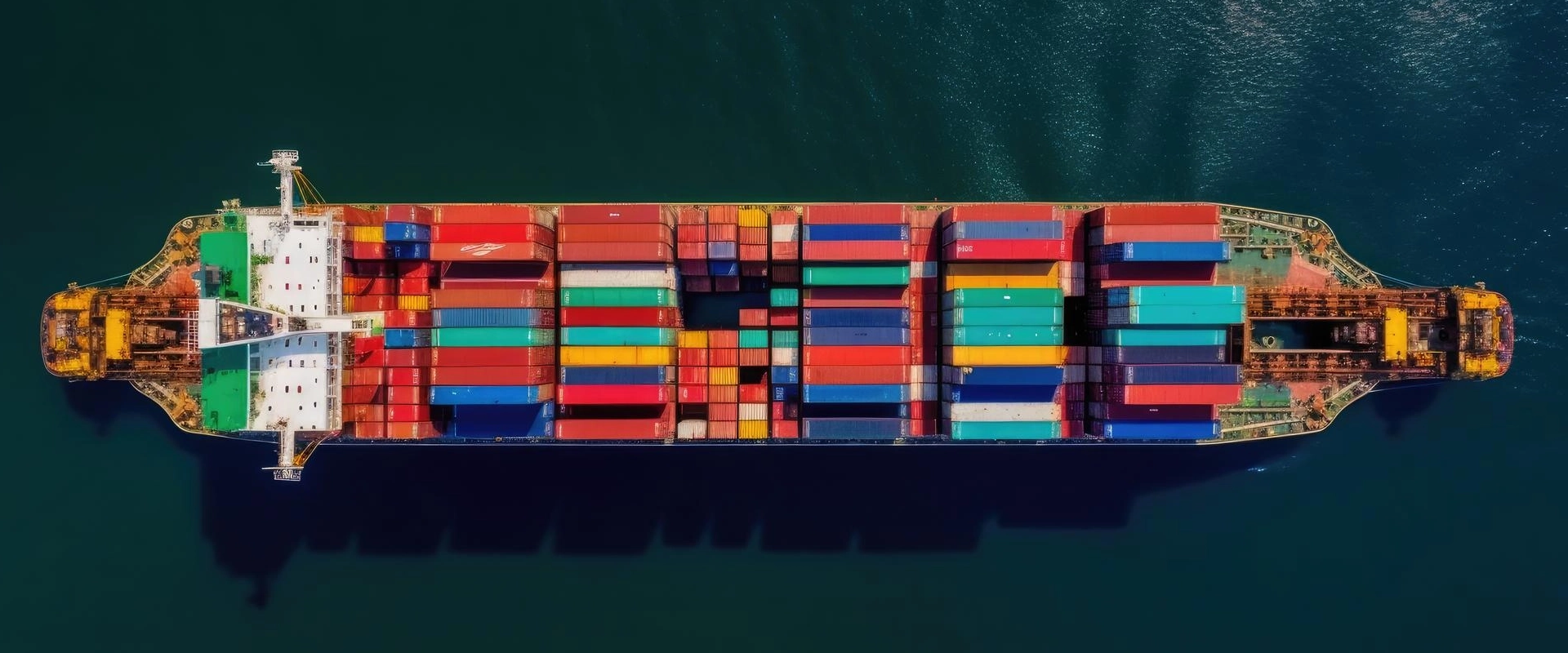
| Sea | Cost at large volumes | Long-haul routes, containers, larger lots |
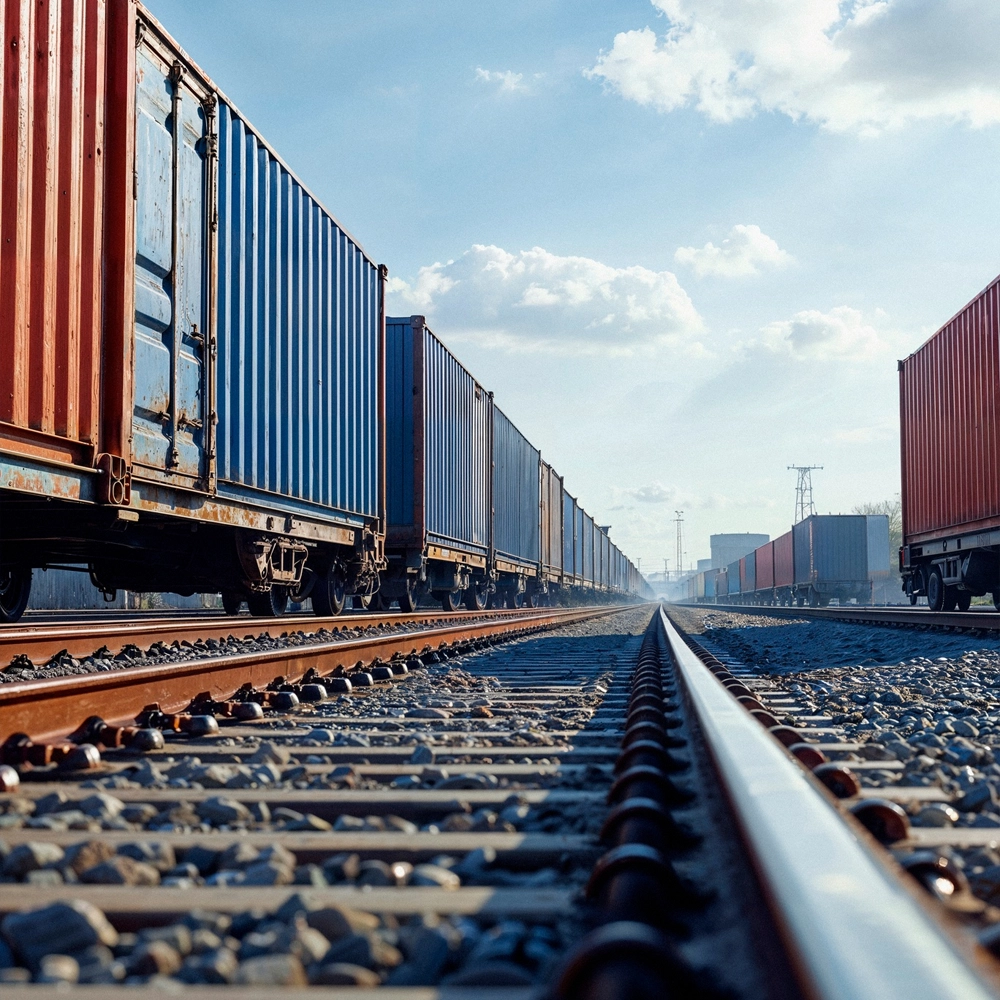
| Rail | A compromise between time and cost | Selected Europe-Asia connections |
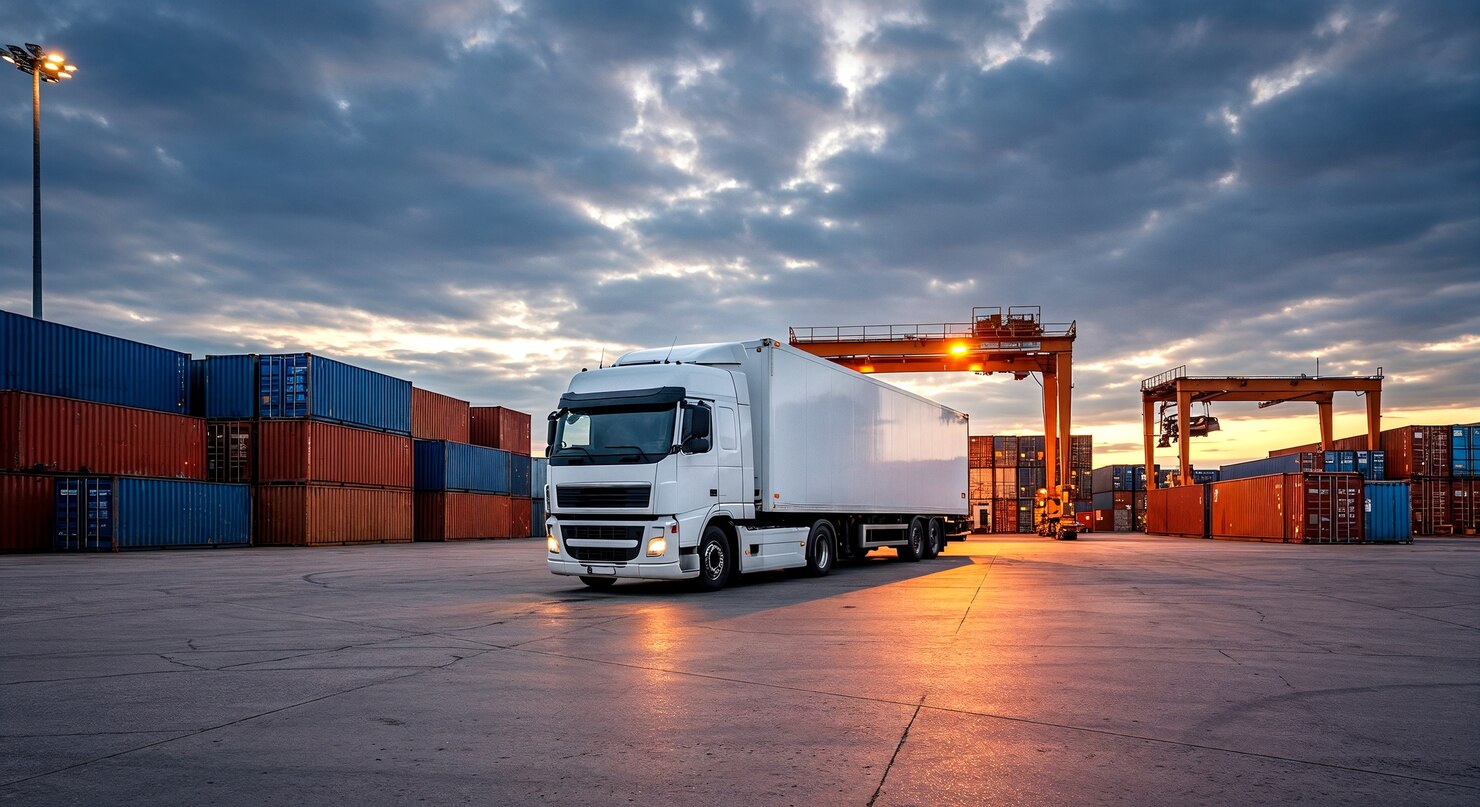
| Road | Flexibility | Regional transport and door-to-door deliveries |
In practice, multimodal transport combining several modes within a single delivery can also be the answer - as with the air-road combination described above.
Gdańsk-Rębiechowo Airport offers round-the-clock cargo clearance
Gdańsk-Rębiechowo airport has a dedicated customs office (reference code PL322050) handling air freight clearance - both import and export - seven days a week, around the clock.
The 24/7 operation of customs clearance at Gdańsk Airport matters practically for urgent shipments, where every additional hour spent waiting for clearance affects the whole delivery schedule.
In practice, air freight from Tri-City usually means trucking to Warsaw, not flying out of Gdańsk
Gdańsk-Rębiechowo handles cargo customs clearance, but air freight directly from Gdańsk operates on a very limited scale. For economic reasons it usually pays more to truck the goods to Warsaw than to ship them from Gdańsk - Warsaw offers lower rates, more frequent connections and larger aircraft. In practice clients care primarily about price and delivery time, not about which airport the cargo actually departs from, so road haulage to Warsaw (or another major hub) is a standard, not exceptional, element of the order - included in a single offer covering the whole route from dispatch to delivery.
Summary - air freight is justified when the cost of time exceeds the cost of freight
Air freight remains the fastest mode of goods transport, but it serves a different market segment than sea - less than 1% of world trade volume, yet over 33% of its value. Its advantage comes from delivery time, not unit cost, which is usually the highest of all transport modes.
The choice of air freight should be decided primarily by: the urgency and value of the cargo, the cost of downtime or lost sales in case of delay, the total delivery cost (not just the per-kilogram rate) and the possibility of combining the air leg with road haulage.
FAQ - air freight
Industry data indicates a wide range, from about 4-7 to 6-10 days for standard air freight, depending on the service level and number of transhipments.
Air freight is justified for urgent or high-value cargo, when the cost of downtime or lost sales exceeds the difference in freight price compared with sea transport.
Air freight handles standard cargo, urgent shipments and high-value goods requiring controlled transport conditions. Dangerous goods require separate qualification.
The price is influenced by the type and value of the cargo, actual and volumetric weight, the origin and destination airports, current carrier rates and road transport before and after the air leg.
Usually yes per kilogram, but once the cost of downtime, lost sales or production hold-up is factored in, the total cost of air delivery can turn out lower than a slower mode.
Yes - an air-road combination makes sense when the cargo needs fast transit on the main route and distribution to the final consignee is by land.
Request an air freight quote
Send us the cargo parameters and the route. We will come back with a quote.
54°32′N 18°33′E / CARTRAG / AIR FREIGHT